
Where Engineering Meets Public Policy: Battery Energy Storage in Oregon
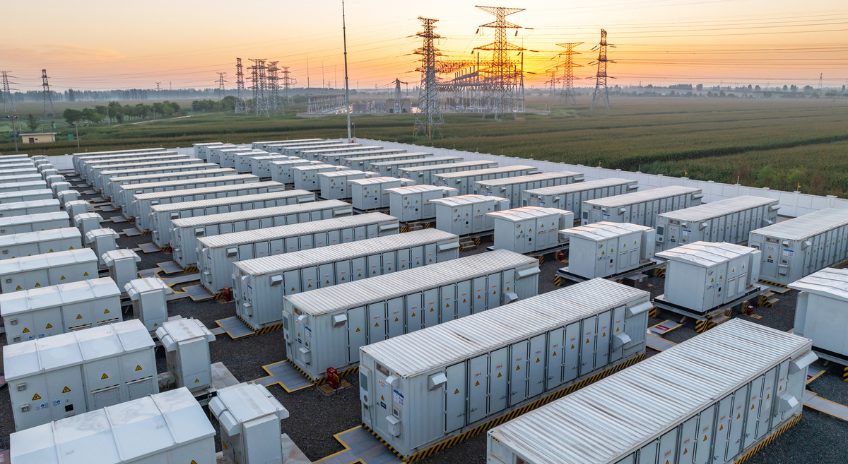
Image from Davidson Chalmers Stewart
Imagine a battery storage unit is built near your backyard without you having any say in the decision. It may produce disturbing operational noise, it may disrupt the natural environment, or it may ignite fires.
Battery Energy Storage Systems (BESS) are becoming increasingly prominent as electricity demand rises. However, because BESS development is still relatively new, various community opinions remain underexplored. To address these research gaps, researchers at the Oregon State University School of Public Policy created a social science-focused project to better understand BESS’s community perceptions and impacts. The project is still ongoing.
The project includes two major parts: comparative case study analysis and state policy analysis. In comparative case study analysis, researchers will examine case studies of specific communities across California, Oregon, and Idaho. First, researchers will analyze various documents, including local news articles, government meeting notes, and press releases, to identify community perceptions.
This is the part of the project I helped with. I collected and compared sociodemographic data across 3 Oregon counties to predict public engagement levels and perceptions of BESS. For example, if a county has more non-profits, then I might predict higher engagement levels because non-profits provide a way for people to voice their concerns. Perhaps the most interesting thing I learned was how greatly the public can affect the success of BESS. For instance, in Washington County, Oregon, strong public opinions on land use, pollution, and well-being led to a 120-day moratorium on data center and BESS development.
After data collection, researchers will interview ten individuals for each case (e.g including developers, local officials, and advocacy group representatives) to understand public project and developer processes. Researchers will then analyze the information and identify recurring themes across and within cases.
The second part of the project is a state policy analysis, in which researchers will examine the three states’ BESS regulatory policies, focusing on permitting, streamlining approvals, incentives, and community involvement. The three states offer useful comparisons given their significant differences in decarbonization goals, political contexts, and market structures.
These two methodologies complement each other well, as they allow researchers to connect state-level decisions to local concerns. Policies identified through state-level analysis can influence certain community attitudes towards BESS discovered through comparative case study analysis.
Working on this project changed how I thought about technology. Originally, I saw technology through an engineering lens, asking myself: how can a technology’s technical components be improved? However, this project showed me that engineering is only one part of a technology’s success. Now I see technology through an additional public policy lens—how can a technology align with policies and be accepted by communities? A technology’s real-world implementation ultimately depends on combining these two lenses.
