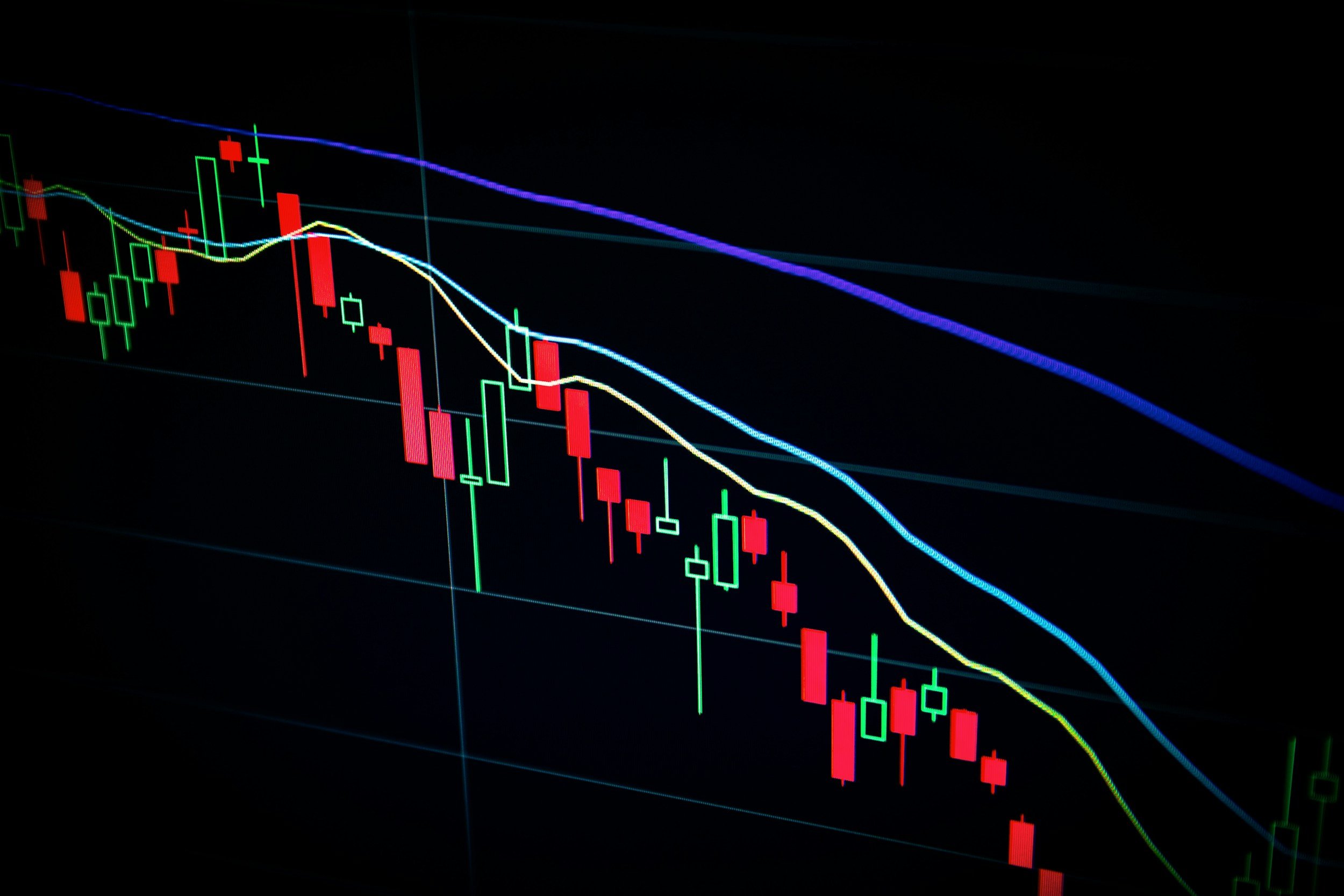
One of the biggest questions in modern finance is whether artificial intelligence can predict a market crash. Despite rapid advances in technology, predicting market crashes remains one of the most complex problems in economics.
Battery Energy Storage Systems (BESS) are becoming increasingly prominent as electricity demand rises. Researchers at the Oregon State University School of Public Policy created a social science-focused project to better understand BESS’s community perceptions and impacts
At Gilman, and in America at large, sleep is treated as optional and secondary. However, research suggests that getting enough sleep is one of the key predictors of long-term health. A recent study published in the journal SLEEP Advances investigated the relationship between sleep insufficiency and life expectancy at the county and state levels.
What if improving your mental health started not with your mind, but with your habits? Recent research into mental health suggests that physical and biological factors, such as diet and exercise, have a significant impact on emotional well-being.
Some breakthroughs truly stand out for their overarching importance to humanity. Here, I will recount five of the most important scientific discoveries in all of human history.
What if the thing protecting your brain from dementia is hiding in your fridge drawer? A recent study examined the relationship between cheese consumption and brain health.