
Issue 2.1 · October 20, 2025

Unraveling the Universe: Our Understanding of Time
A deep dive into the physics and philosophy of time, exploring its origins, asymmetry, relativity, and speculative theories of time travel.
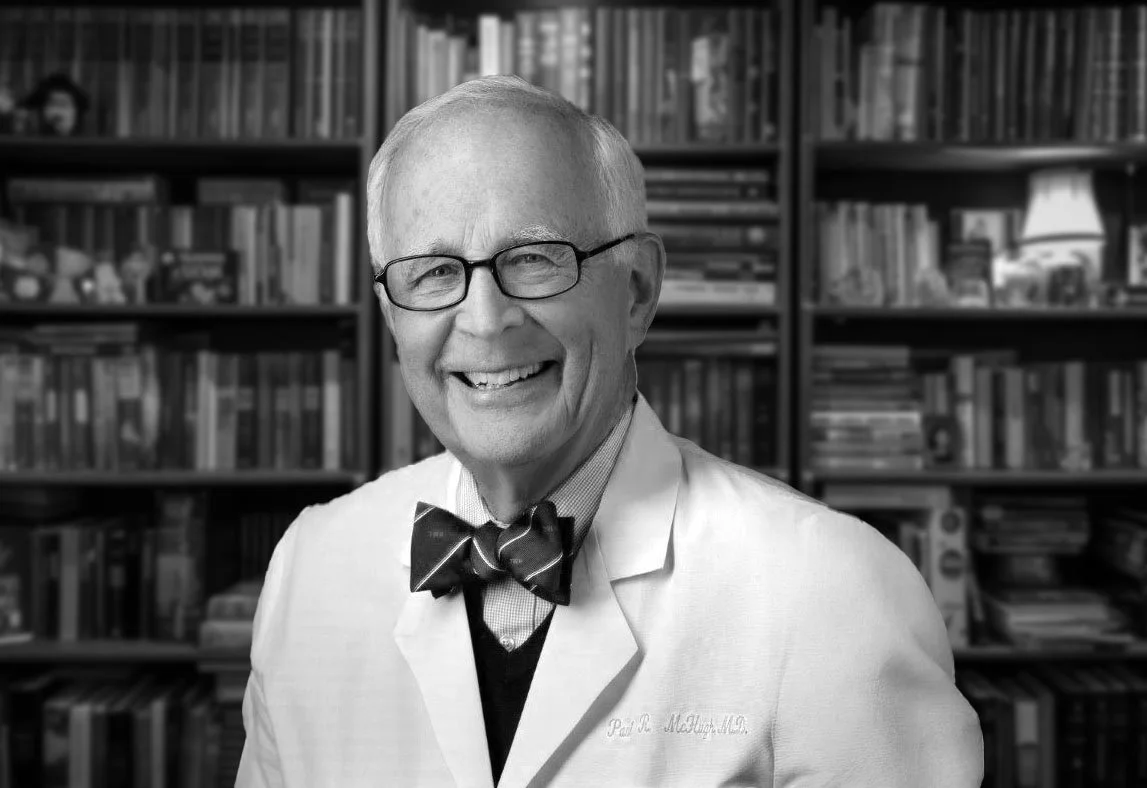
The Brain Must Have Something To Do With It - An Interview with Dr. Paul R. McHugh
Dr. Paul R. McHugh is a University Distinguished Service Professor of Psychiatry at the Johns Hopkins University School of Medicine and served as the psychiatrist-in-chief and the Henry Phipps professor and director at the Johns Hopkins Hospital from 1975 to 2001. Over the course of his career, Dr. McHugh has worked to reshape psychiatry and psychiatric clinical practice by emphasizing the importance of scientific reasoning in understanding mental illness, fighting strongly against the psychoanalytic approach to psychiatry. Our conversation covered his background, his perspectives on psychiatry, psychoanalysis, medicine, and science, and his advice to young students.

Trapped in the Scroll: The Neuroscience Behind Dopamine Addiction and Shortened Attention Spans
In the age of smartphones and social media, “doomscrolling” - the act of endlessly scrolling through news and social media feeds, particularly those containing negative or distressing content, often for an excessive amount of time- has become a defining digital behavior. While its emotional toll is widely understood, many do not understand the neurobiological mechanisms behind its addictive nature and its impact on attention span.
Think Again - Why ChatGPT Isn't Truly Intelligent
Artificial intelligence: it's Silicon Valley's new gold rush. Yet for all the money and excitement, today's AI systems are far from what many imagine. In truth, despite their impressive fluency and speed, LLMs haven't gotten us any closer to achieving genuine artificial intelligence.
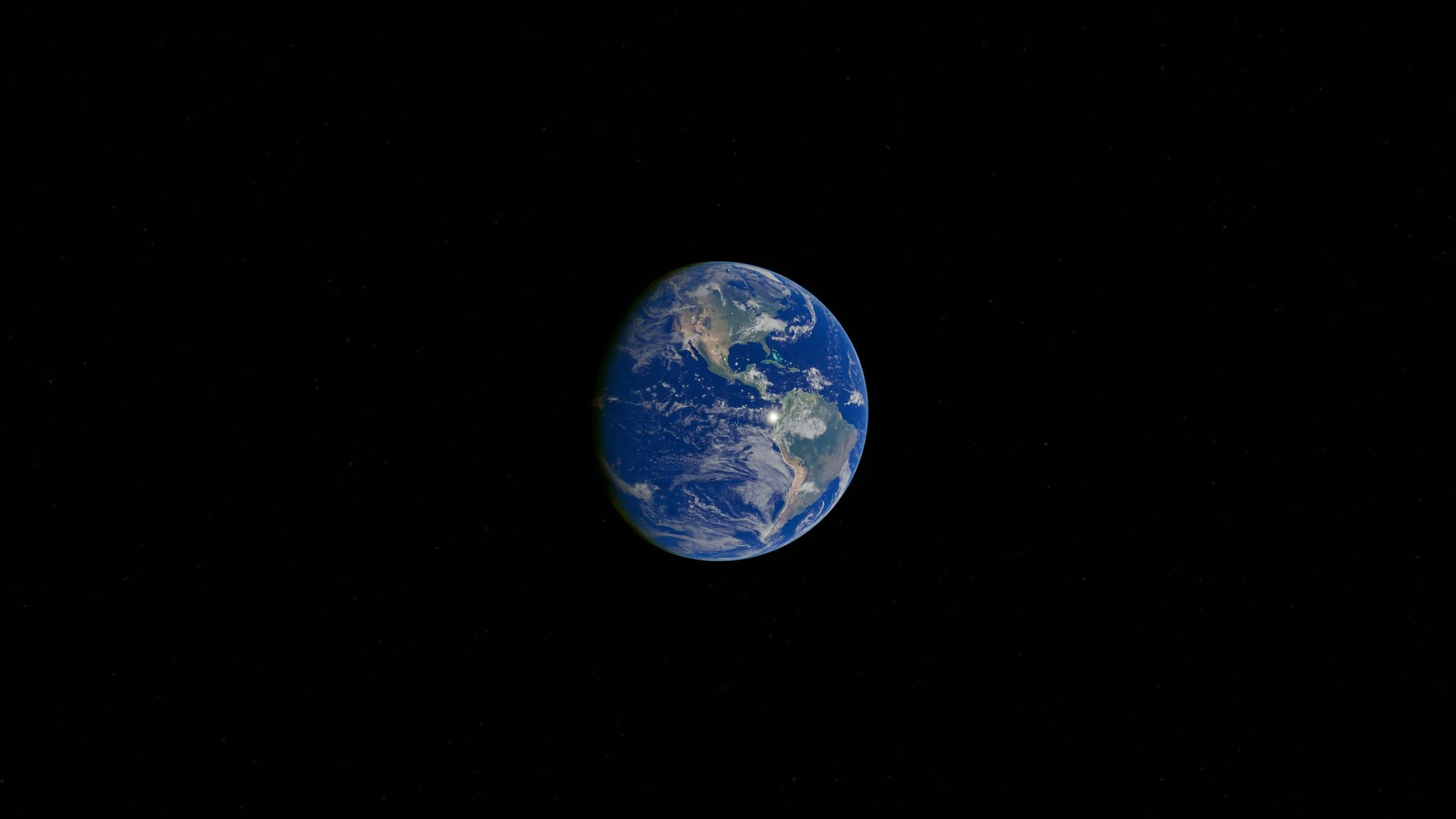
The Search for Extraterrestrial Life: Are We Alone?
For centuries, humanity has looked up at the stars and questioned: Are we truly alone in this universe? The search for extraterrestrial life is both one of the oldest questions in science and one of the most exciting aspects of modern exploration. With advances in space technology and research, scientists are closer than ever to answering this age-old question.
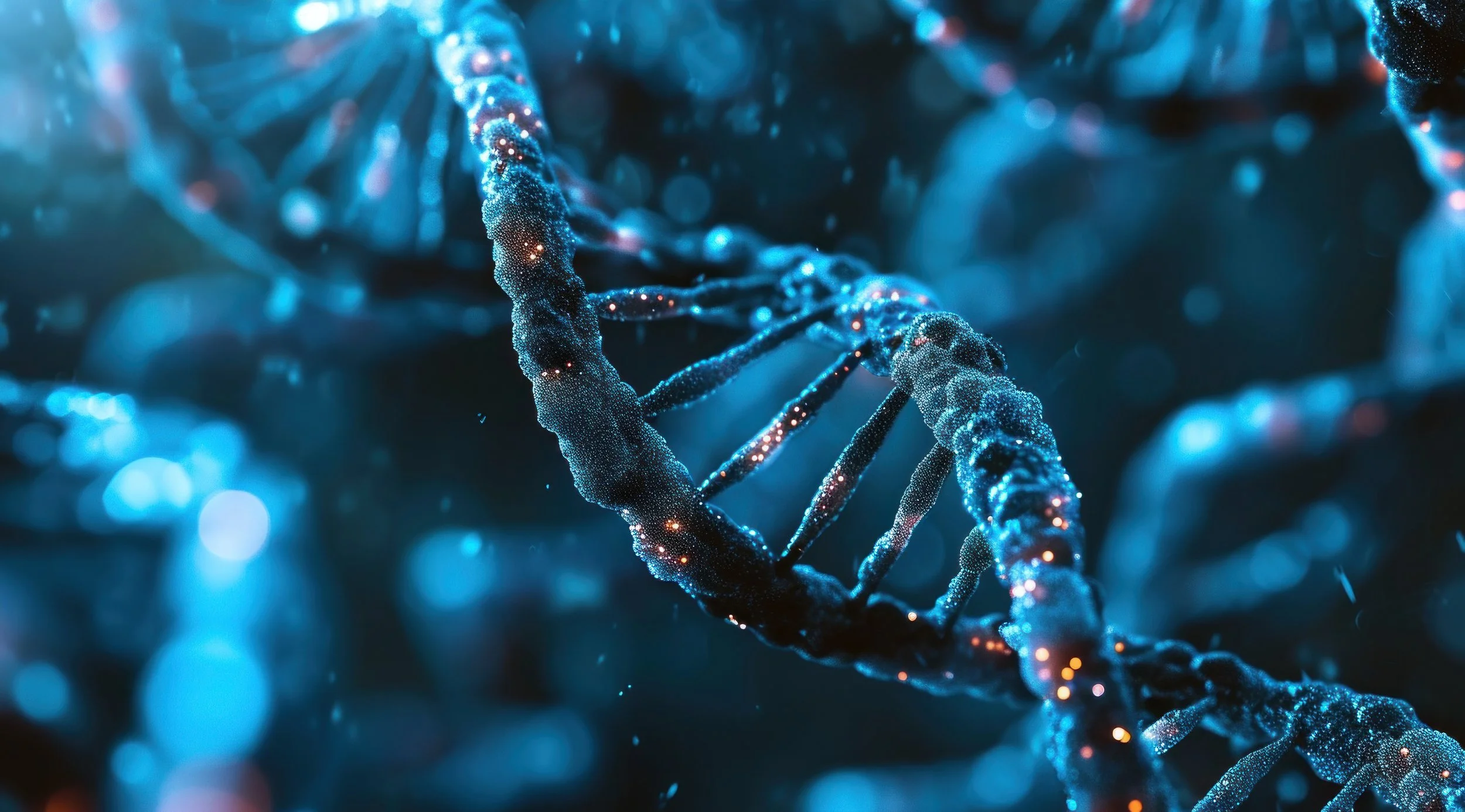
CRISPR Technology is Changing the World
CRISPR gene-editing technology may well define the next century of science - but what is it, and how does it work?